
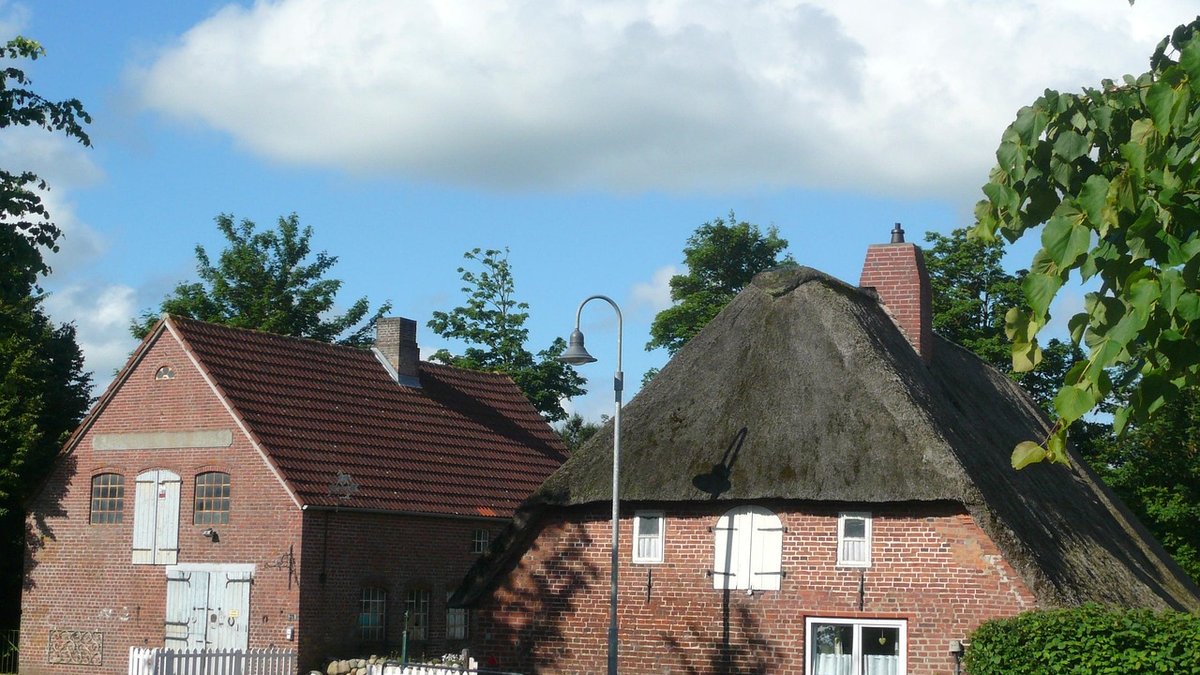
In almost every British village, there is a building that does not look like much from the outside. It might be corrugated iron, breezeblock, or red brick. It might have a faded noticeboard and a single door. But inside, it is the beating heart of the parish. This is the village hall. It smells of floor polish, urn tea, and slightly damp coats. It has a stage, a kitchen hatch, and a set of trestle tables that have seen everything from wedding receptions to jumble sales. These modest buildings are social anchors. They have hosted dances, meetings, plays, and celebrations for generations. Without them, rural life would be much poorer.
The story of the village hall begins in the late Victorian era, but the real boom came after the First World War. Many were built as war memorial halls, funded by public subscription and donated land. You can often spot them by the plaque in the entrance porch. They were intended as places of remembrance, but also as places of gathering. The idea was simple: a shared space for the whole community, regardless of class or creed. That ideal still holds today.
Inside, the hall is a blank canvas. But its calendar is anything but blank. The same room can host a whist drive on Monday, a keep fit class on Tuesday, a parish council meeting on Wednesday, and a pantomime rehearsal on Thursday. On Friday, it might be a wedding reception. On Saturday, a children's birthday party. On Sunday, a funeral wake. The hall is endlessly adaptable. The stage is a simple raised platform, often with curtains that smell of dust. The piano is usually slightly out of tune. The kitchen hatch is the social hub, where the urn is always on.
Certain events are eccentric traditions in their own right. A whist drive is a card game where the scoring is a mystery to newcomers. A beetle drive involves dice and drawing a beetle. A bring and buy sale raises funds for the church roof. A harvest supper is a sit-down meal with a raffle. And then there is the 200 Club, a monthly lottery that funds the hall. Other quirks include:
Every hall has its own peculiarities. One might have a sprung dance floor. Another might have a wartime mural. A third might have a stage that doubles as a badminton court. These are not flaws. They are character.
Every village hall is run by a volunteer committee. There is a chair, a treasurer, a secretary, and a booking clerk. They are elected at the annual general meeting, which is itself a social event. The constitution often specifies that the hall cannot be used for political or religious purposes. This is a practical rule, designed to keep the peace. It means that election hustings are held elsewhere, and Sunday services are held in the church. The hall is neutral ground.
The committee meets in the small side room, usually with a gas fire and a stack of mismatched chairs. The minutes are handwritten. The tea and biscuits are mandatory. The caretaker is often a local person who has a key on a piece of string. The rules are posted on the wall. They might include: no stiletto heels on the parquet floor, no smoking, and no drinking in the main hall. Many halls are registered charities, so they must file accounts and hold an AGM. This is not bureaucracy for its own sake. It is a way of keeping the hall open for everyone.
The village hall is a witness to life. It hosts christening parties, wedding receptions, birthday parties, anniversary dinners, and funeral wakes. It is also a polling station on election day. It is a blood donation centre, a vaccination clinic, and a mobile library stop. During floods or heavy snow, it becomes a rest centre. The local history group meets there. So does the model railway club, the gardening club, the over-60s lunch club, and the youth club. The hall is a place for every age and every interest.
The village show is a highlight of the year. The schedule is a work of art. There are categories for the largest marrow, the best jam, the most perfect rose, and a photograph of a cat. The competition is fierce. The judges are stern. The prizes are rosettes. The hall is also used for jumble sales, where early bird entry costs 50p. The bring and buy sale raises funds for the church roof. The harvest supper is a sit-down meal with a raffle. The eccentric tradition of the raffle is that the prize is always a hamper or a bottle of whisky. The guess the number of sweets in a jar is a test of patience. These are not just events. They are rituals.
In the 1970s and 1980s, many village halls fell silent. Cars and television drew people away. Some were sold and converted into houses. Others were demolished. But in recent years, there has been a revival. Communities have bought their halls. They have refurbished them with lottery funding and charitable grants. They have installed better insulation, accessible toilets, and modern kitchens. The hall is now used for cinema nights, quiz nights, and murder mystery evenings. It is a place for pop-up pubs and coffee mornings. The annual general meeting still re-elects the same committee, and the tea is still poured from a large urn.
Quirky survivors include a hall with a sprung dance floor that is perfect for tango. A hall with a wartime mural painted by a local soldier. A hall with a stage that doubles as a badminton court. A hall with a set of original 1920s chairs that are too fragile to sit on. These buildings are not museums. They are living spaces. They are still used for the same purposes as a century ago. The whist drive is still played. The harvest supper is still eaten. The bring and buy is still held. The only difference is that the prices have gone up.
Village halls are not just buildings. They are repositories of memory. The sound of the piano. The smell of tea and floor polish. The echo of children's footsteps. They are the last truly public spaces that are not commercial. You can hire one for a party. You can join the committee. You can attend the AGM. The hall is a democratic space. It is also a place of eccentric tradition. The bring and buy sale. The whist drive. The harvest supper. These are not just events; they are rituals. They bind the community. They give people a reason to leave the house and talk to their neighbours.
So next time you pass a village hall, look at the noticeboard. There is probably a quiz night, a jumble sale, or a pantomime. Go in. Put the kettle on. Buy a raffle ticket. You will be taking part in a tradition that has shaped British community life for over a century. And you will be helping to keep it alive for the next generation.

Hi, my name is Anthony kuber. I am artist and fashion designer.
I love to travel and writing blogging.
Your email address will not be published. Required fields are marked *
Software Developer & Writer
Hey, I'm Diva, a developer and writer blending code and creativity. I'm driven by a deep curiosity and a relentless pursuit of excellence. Join me as I craft digital solutions and captivating stories.


