
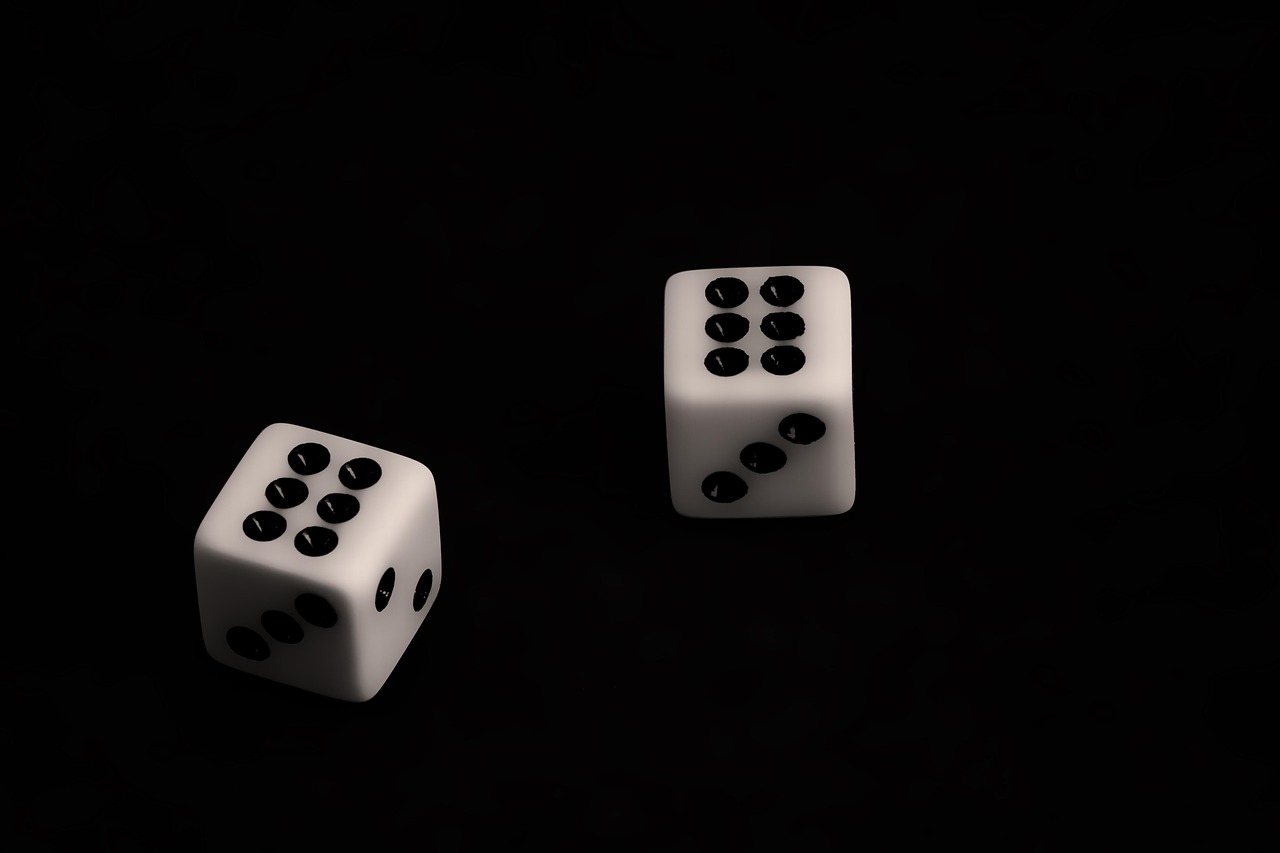
Two players sit down at the same slot machine, both betting a dollar a spin. One walks away after twenty minutes with three hundred dollars. The other burns through four hundred and never sees a single win above ten bucks. Same game, same bet, wildly different experience. The reason isn't luck alone — it's volatility, and understanding it is probably the single most useful thing you can learn as a slot player.
Most gamblers pick games based on theme, graphics, or whatever's blowing up on stream. That's fine, but it's a bit like choosing a car by its paint colour. Volatility (sometimes called variance) tells you how a slot actually behaves over time: how often it pays, how big those payments tend to be, and how deep your bankroll needs to be to survive the ride. A detailed guide is available at nhacaitangtien.com.co.
Every slot has a theoretical return-to-player percentage, usually somewhere between 94% and 97%. That number describes what happens across millions of spins — it says nothing about your session tonight. Volatility describes the shape of that return, not the total.
Low-volatility slots behave like a slow drip. Wins come frequently, but they're small — often less than your bet. Think classic three-reel fruit machines or lighter video slots with frequent ten-cent hits. High-volatility slots are the opposite: long, punishing droughts punctuated by occasional monster payouts that can run to five thousand times your stake or more.
Here's a rough breakdown of what you're dealing with:
A common misconception: high volatility means higher RTP. It doesn't. A 96% high-volatility slot and a 96% low-volatility slot return the same amount over eternity — they just distribute it differently.
This is where volatility stops being trivia and starts costing people money. If you sit down at a high-volatility slot with twenty dollars and a one-dollar bet, you have twenty spins of runway. On a game where a cold streak of 150+ spins is entirely normal, you're essentially buying a lottery ticket.
A workable rule of thumb: allow at least 200–300 spins at your chosen stake to give a high-volatility game a reasonable chance to produce a feature. That means a one-dollar spin needs a bankroll of two to three hundred dollars. If that sounds steep, drop your stake instead of your ambition. Fifty cents a spin with a hundred-dollar bankroll gives you the same 200 spins.
Low-volatility games tolerate much smaller bankrolls because the small, steady returns cushion the fall. Fifteen to thirty spins' worth per session is often enough to keep the lights on, though the ceiling on your win is correspondingly lower.
You don't need a spreadsheet, but you should spend ninety seconds gathering intel before your first spin:
It also helps to know the difference between potential and frequency. Megaways-style games can advertise 100,000x max wins, but accomplishing them requires absurd luck. A 5,000x max win on a simpler game might be far more realistic within a normal session.
The concept isn't confined to reels. In poker, it governs whether you should play cash games or tournaments. Cash games produce smaller, more frequent swings; multi-table tournaments are the poker equivalent of a high-volatility slot — you might go fifteen events without cashing before taking down a big score.
Sports betting shows the same split. Heavy favourites at odds of 1.20 offer low-volatility, low-reward outcomes. A five-leg accumulator at 50/1 is pure high variance: terrible hit rate, massive payoff when it lands. Neither is inherently smarter. It depends entirely on the size of your bankroll and how much pain you can stomach between wins.
Here's the uncomfortable truth: a lot of players pick the wrong volatility on purpose. They chase life-changing money with a bankroll built for penny slots, then blame the casino when it evaporates in ten minutes. The game did exactly what it was designed to do.
Ask yourself one honest question before you deposit: do I want a long session with lots of small wins, or a short shot at something huge? Neither answer is wrong, but they demand very different games, stakes, and budgets. A patient grinder with a small bankroll belongs in low-volatility territory. Someone with a bigger bankroll and a taste for adrenaline can justify high-volatility machines — provided they accept that most sessions will end in the red.
Volatility is the invisible dial that shapes every session you'll ever play. Ignore it and you'll keep wondering why some slots eat your balance in five minutes while others let you linger for an hour. Learn it, and suddenly every game choice becomes a deliberate one — you're no longer gambling on the game itself, only on the outcome.
Jackpots are thrilling, but they're not the point. The real skill in this hobby is matching the maths to your bankroll and your tolerance for dry spells. Do that, and even the losing sessions won't feel quite so much like a mug's game.

Hi, my name is Anthony kuber. I am artist and fashion designer.
I love to travel and writing blogging.
Your email address will not be published. Required fields are marked *
Software Developer & Writer
Hey, I'm Diva, a developer and writer blending code and creativity. I'm driven by a deep curiosity and a relentless pursuit of excellence. Join me as I craft digital solutions and captivating stories.


